UNEP Food Waste Review Points to a Household-Scale Challenge
An archive report connects household measurement with the wider effort to reduce food waste.
The finding
UNEP’s Food Waste Index Report 2024 estimated that households wasted more than one billion meals a day in 2022. The report, produced with WRAP, examined waste at household, food-service and retail levels. Its publication date and the year measured are different.
Measurement before comparison
The assessment emphasizes better measurement and action to reduce waste. Food-waste totals can include inedible parts, so readers should check a statistic’s definition before comparing it with a measure of edible meals. Different scopes can produce apparently inconsistent totals.
A practical reporting angle
As editorial context, the useful question is where a process can change. Purchasing, storing, serving and collecting food scraps are different steps. A local initiative needs a clear baseline and repeated observation before a reduction can be credibly reported.
An archive story
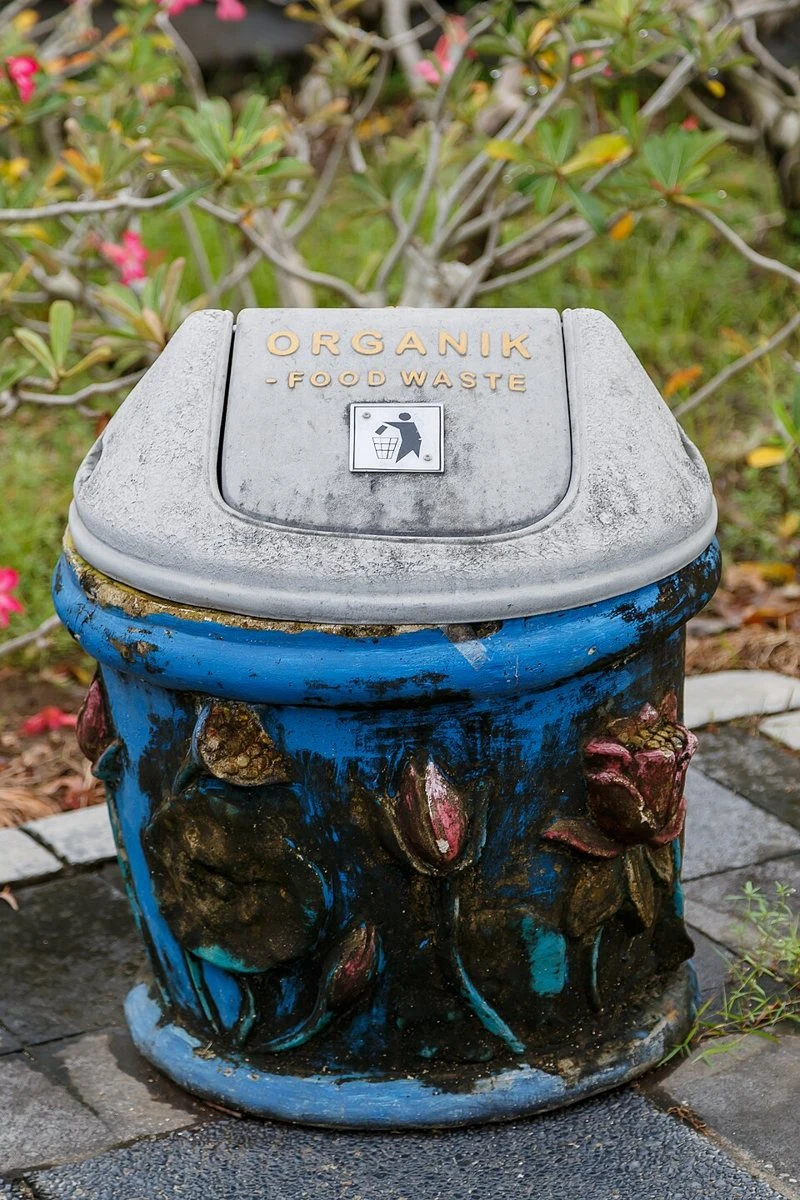
This article revisits the 2024 report and does not present its figures as a new 2026 measurement. The recycling-bin photograph illustrates separated waste collection. It does not demonstrate the food content, effectiveness or results of a particular collection programme.
Background and interpretation. The following sections add editorial explanation to the dated report. Hypothetical examples are illustrations, not newly reported events or interviews.
Measuring waste begins with a boundary
A food-waste number is meaningful only when the boundary of the measurement is clear. A household, a shop and a food-service operation are different settings, and a report may distinguish them for good reason. Combining the settings without explanation can hide where an estimate applies. The same issue arises when comparing studies that include different materials. An informed reader first asks what was counted, where it was counted and during which period. That groundwork makes the headline more useful because it connects the scale of the estimate with the process that produced it.
Food mass and edible meals are not interchangeable
A quantity expressed as a mass of waste is not automatically a count of edible meals. The relationship depends on definitions and conversion assumptions. A report may discuss both to communicate scale, but readers should not create their own conversion without examining the method. This is particularly important when a figure includes inedible parts. The distinction prevents a vivid comparison from becoming an exact claim it was not designed to support. It also encourages a more precise discussion of what an intervention intends to reduce rather than treating every material in a waste stream as equivalent.
Why a baseline is necessary
A programme cannot demonstrate a reduction simply by describing an activity that sounds sensible. It needs a baseline and a comparable later observation. The period, population and measurement method should be clear enough for a reader to understand the comparison. A seasonal change in household activity, for example, could complicate a simple before-and-after claim. This is an analytical point rather than a finding about a particular project. It shows why measurement remains part of the story after the initial headline: without a reliable comparison, a successful-looking action may not establish the outcome attributed to it.
A hypothetical household example
Imagine a fictional household that buys less food during one week because several members are away. It also discards less. The reduction in discarded food would be real within the example, but it would not by itself show that a new storage habit caused the change. A fair assessment would consider the changed circumstances. This thought experiment is not a recommendation about any specific food or an account of a surveyed family. It illustrates the need to separate an observed difference from the explanation proposed for it, even when that explanation initially appears obvious.
Prevention and disposal answer different questions
Separating waste for collection can change how material is handled after it is discarded. Preventing a discard concerns an earlier stage. These can both be relevant to a wider waste discussion, but they should not be treated as identical outcomes. A bin photograph therefore cannot demonstrate that food waste was reduced. A report about a collection scheme should identify whether it is measuring participation, the material collected or a change in discarding. This distinction makes the public conversation more practical by clarifying which stage a particular action addresses and what evidence would show that it worked.
Why a local claim needs local evidence
A global report supplies a broad context; it does not establish the waste pattern of a particular neighbourhood, shop or household. Local differences in the population measured, the period observed and the method used can matter. A useful local story would state those details rather than borrow a global average as though it were a direct observation of the place being described. The international findings can motivate questions and comparisons, but the connection should be explicit. The reader should be able to tell which information came from the report and which came from a separate local investigation.
Interpreting a cost estimate carefully
A monetary claim about discarded food needs its own method. The purchase value of an item, its replacement cost and the costs associated with handling waste would not necessarily describe the same thing. It would also be misleading to assume that every unit of reduced waste translates into an identical saving for every household. This article does not calculate a new financial benefit. It identifies the questions a reader should ask before accepting one. Clear boundaries help make a cost discussion informative without turning a broad environmental story into an unsupported personal-budget promise.
Public and private responsibilities can be discussed together
Household decisions and wider arrangements can both be part of a food-waste discussion. An editorial analysis can ask how purchasing, packaging, storage information, serving and collection connect without assigning all responsibility to one actor by default. Specific claims about the effectiveness of a practice still need evidence. This framing avoids a false choice between a story about individual behaviour and a story about systems. It also keeps the question of measurement in view: different actors may influence different stages, so a response should be assessed against the stage and outcome it actually addresses.
Reading the archive report productively
The report discussed in this article was published in 2024 and describes a defined earlier measurement period. Republication does not turn those estimates into a new 2026 count. Its continuing usefulness lies in the questions it raises about definitions, measurement and the difference between prevention and handling. The expanded discussion builds on those questions through clearly identified editorial examples. It does not claim that a particular household, retailer or collection programme achieved a result. The linked UNEP release and report remain the place to check the original estimates, methods and subsequent revisions.
A collection weight needs a clear interpretation
A measured quantity collected from a route could change because of participation, the covered area or the amount discarded by existing participants. Distinguishing those possibilities would require the corresponding records. This example explains why a collection total should not automatically be reported as a direct change in household behaviour. The indicator can still be useful when its scope is explicit. The key is to describe the process actually measured before assigning the result to a broader claim about waste prevention.
Publication dates and statistical reference periods may differ. Figures are attributed to the linked source. Archive images provide context and do not document the reported event.
Source & verification
Primary source: UNEP — 2024-03-27. Read the original for definitions, methodology and subsequent revisions. The source organization does not sponsor or endorse this publication.
 ITU Reports Wider Internet Access, With Two Billion Still Offline
 ILO Outlook Separates Stable Unemployment From the Quality of Work